Drones have taken the world by storm, transforming industries from photography to agriculture. As more businesses embrace this technology, the demand for skilled drone pilots is skyrocketing. But just how much can you expect to earn in this exciting field?
In this article, I’ll dive into the factors that influence a drone pilot’s salary, including experience, industry, and location. Whether you’re considering a career change or just curious about the potential earnings, understanding the financial landscape of drone piloting can help you make informed decisions. Let’s explore what it really means to fly high in this profession.
Key Takeaways
- Earning Potential: Drone pilot salaries range widely from $30,000 for entry-level positions to over $150,000 for experienced pilots, significantly influenced by industry and experience level.
- Industry Impact: Commercial sectors like construction and real estate tend to offer higher salaries compared to recreational flying, with specialized roles commanding better pay.
- Geographic Variability: Salary differences exist based on location, with urban areas generally providing higher wages due to increased demand for drone services.
- Diverse Job Roles: Various job opportunities, such as commercial pilots, agricultural pilots, and drone instructors, offer different earning potentials, aligning with individual interests and skills.
- Flexible Work Environment: Drone piloting allows for flexible hours, remote work possibilities, and travel opportunities, enhancing work-life balance.
- Career Advancement: There are ample opportunities for specialization, certification, and entrepreneurial ventures, leading to increased earning potential and job satisfaction.
Overview Of Drone Pilot Earnings
Drone pilot earnings vary widely based on several key factors, including experience, industry, and geographical location. Understanding these elements aids in grasping potential salary expectations.
Factors Influencing Salary
Experience plays a crucial role in determining salary levels. Entry-level drone pilots typically earn between $30,000 and $50,000 annually. Mid-level professionals can expect salaries ranging from $50,000 to $80,000. Experienced pilots command higher wages, often earning between $80,000 and $150,000 or more, depending on specialized skills or certifications.
Industry also significantly impacts earnings. Commercial sectors like real estate and construction often offer better pay compared to recreational or hobbyist piloting. For example, drone pilots in construction may earn upwards of $100,000, while those in agriculture often see salaries around $60,000 to $70,000.
Location further influences salary. Urban areas with a high demand for drone services typically offer higher wages. For instance, pilots in cities like San Francisco, New York, or Los Angeles can earn 10-20% more than their counterparts in rural regions.
Types Of Drone Pilot Jobs
Diverse job roles exist for drone pilots, each with specific earning potentials.
- Commercial Pilot: Engages in aerial photography, videography, and surveying, earning $50,000 to $100,000 annually.
- Agricultural Pilot: Focuses on crop monitoring and precision agriculture, making $60,000 to $80,000.
- Real Estate Pilot: Captures images for listings, typically earning $40,000 to $70,000.
- Drone Instructor: Teaches individuals or groups, with salaries between $40,000 and $80,000 based on expertise.
- Search and Rescue Operator: Works with emergency services, making $50,000 to $90,000 depending on experience and location.
These varied roles offer a range of salaries that can align with specific interests and specializations within the drone piloting field.
Average Salary Of Drone Pilots


Drone pilot salaries vary significantly based on experience, industry, and geographical location. Understanding the different salary ranges helps gauge the earning potential in this growing field.
Entry-Level Salaries
Entry-level drone pilots typically earn between $30,000 and $50,000 annually. Factors influencing these salaries include job location and industry demand. In urban regions, entry-level pilots often see salaries closer to $50,000, especially in industries like real estate and construction. For example, pilots working in metropolitan areas with high demand for drone services can earn approximately 10-20% more than those in rural settings.
Experienced Pilot Salaries
Experienced drone pilots command higher salaries, usually ranging from $80,000 to $150,000 or more. Specialized skills, such as certification for aerial photography or industrial drone services, enhance earning potential. Pilots in commercial sectors, including construction, may earn upwards of $100,000 per year. Additionally, those involved in high-stakes roles like search and rescue operations often receive premium pay due to the required expertise and the critical nature of their work.
Geographic Variations In Earnings

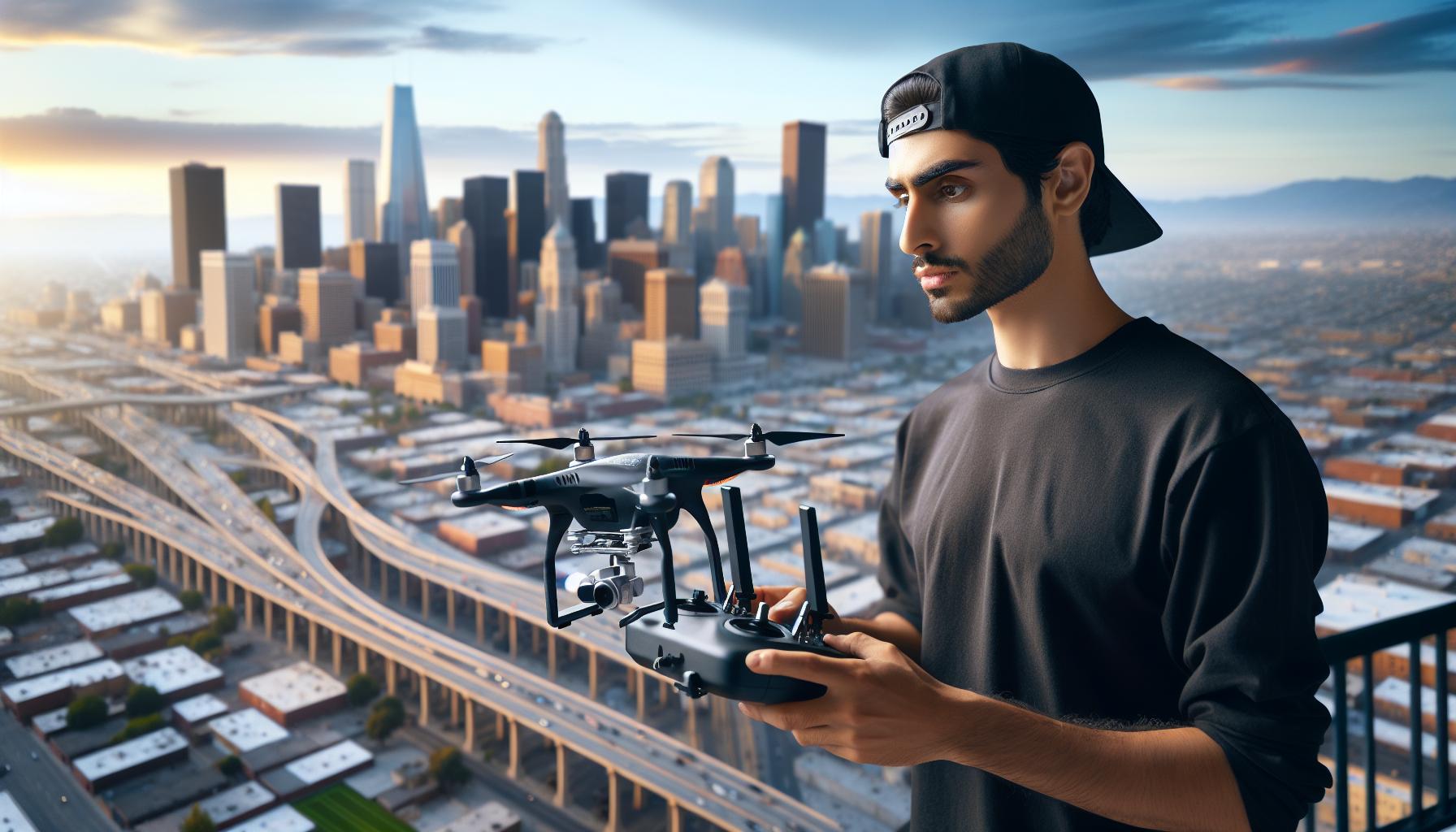
Earnings for drone pilots vary significantly by geographic location. Understanding these variations helps anticipate potential income based on where services are offered.
Salary Differences By State
Salary differences by state reflect variations in demand, cost of living, and industry presence. For example:
- California: Drone pilots can earn between $50,000 and $120,000 annually, driven by demand in tech, film, and construction industries.
- Texas: Average salaries range from $45,000 to $90,000, influenced by growth in agriculture and real estate.
- Florida: Earnings typically fall between $40,000 and $80,000, with strong demand in tourism and environmental monitoring.
- New York: Salaries range from $55,000 to $130,000, largely due to high demand in media and real estate sectors.
- Washington: Pilots generally earn between $50,000 and $100,000, thanks to the presence of technology companies and the film industry.
Salary data indicates urban centers often yield better compensation compared to rural settings.
International Salary Comparisons
International salary comparisons showcase how drone pilot earnings vary worldwide. These disparities result from local demand, regulations, and industry maturity. For instance:
- Canada: Average salaries range from CAD 40,000 to CAD 100,000, depending on experience and industry.
- United Kingdom: Drone pilots can earn between £30,000 and £70,000, influenced by sectors like agriculture and media.
- Australia: Earnings typically vary from AUD 50,000 to AUD 120,000, with high demand in the construction and surveying industries.
- Germany: Salaries vary from €35,000 to €80,000, largely due to increasing applications in logistics and automation.
Understanding these geographic variations helps potential drone pilots assess their income potential accurately, allowing for better career planning and market positioning.
Benefits And Opportunities
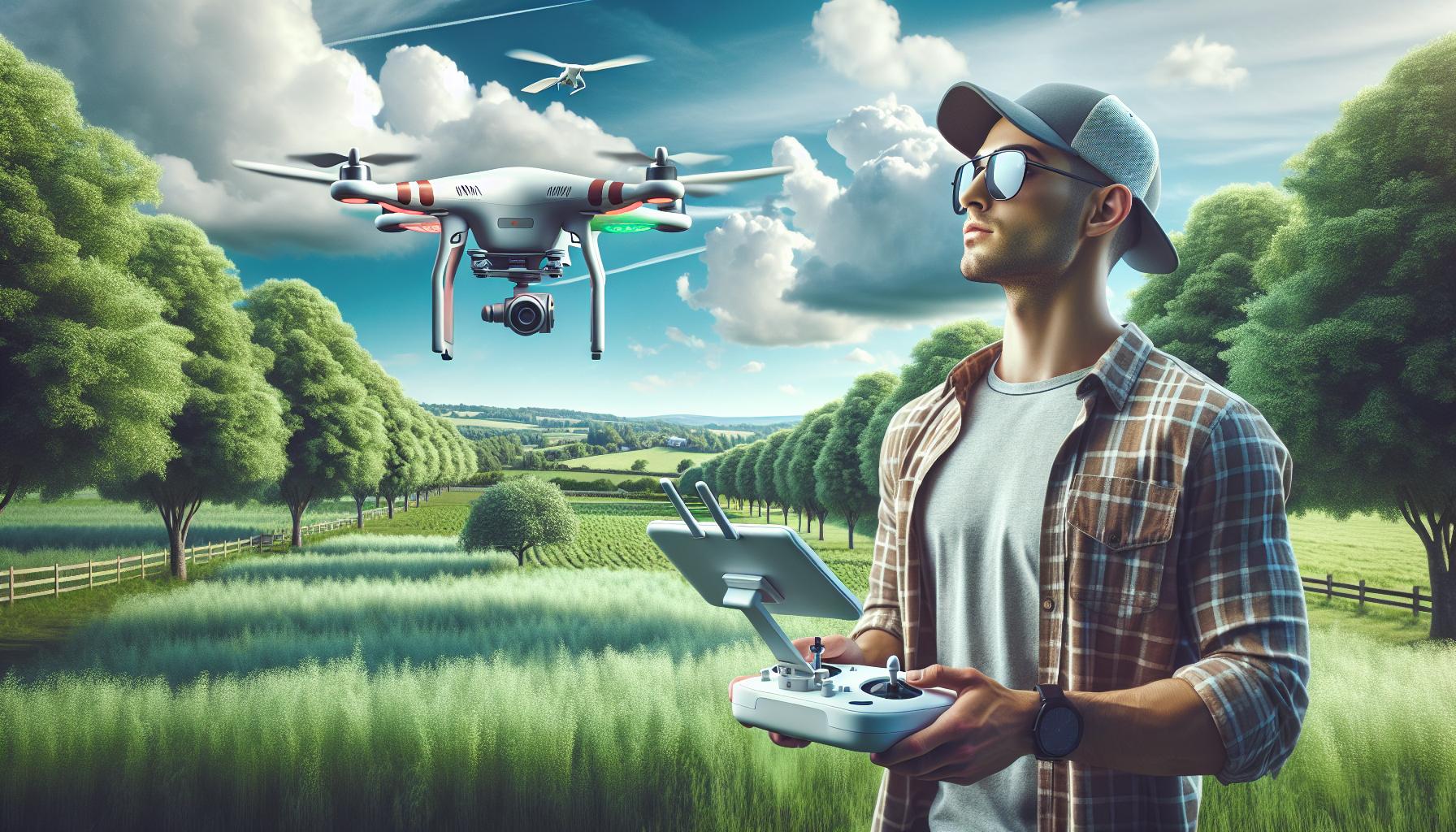

Drones offer significant benefits and diverse opportunities for pilots, making this profession appealing. The combination of perks and career advancement options enhances the attractiveness of a drone piloting career.
Additional Perks
Drones provide various additional perks that make the role appealing beyond salary.
- Flexible Hours: Many drone pilots enjoy setting their own schedules, balancing work and personal life effectively.
- Remote Work Opportunities: Increased options exist for remote work, allowing pilots to operate from different locations and even their homes.
- Technical Skill Development: Operating drones enhances technical skills, particularly in software and hardware, appealing to professionals in tech industries.
- Networking Opportunities: Engaging with professionals across industries creates valuable networking options that lead to potential collaborations and job prospects.
- Travel Opportunities: Many pilots travel for assignments, expanding their horizons while working in various settings.
Career Advancement Potential
Drone piloting offers significant career advancement potential.
- Specialization Opportunities: I can specialize in sectors like film production, agriculture, or surveillance, each offering unique earnings and responsibilities.
- Certification Programs: Obtaining additional certifications, such as in thermography or aerial photography, enhances skills and can lead to higher pay.
- Management Roles: Advancement into supervisory or management positions allows for increased earnings and responsibility within organizations.
- Entrepreneurial Ventures: Many pilots start their own drone businesses, providing a pathway to entrepreneurship with unlimited earning potential.
- Emerging Technologies: The evolving nature of drones and technology means continuous learning, ensuring skills remain relevant and marketable.
Conclusion
The financial landscape for drone pilots is both promising and diverse. With the right skills and experience, it’s possible to earn a substantial income in this growing field. As I explored the various factors influencing salaries like location and industry, it became clear that opportunities abound for those willing to invest in their education and training.
Whether you’re just starting or looking to advance your career, understanding these dynamics can help you make informed decisions about your future. The potential for growth and specialization makes drone piloting an exciting path to consider.