Ever wondered where your iPhone’s been when you weren’t looking? It’s like having a digital diary that tracks your every move, minus the embarrassing secrets. With the right tools, checking past locations on an iPhone is easier than finding the last slice of pizza at a party.
Overview of Location Tracking on iPhone
iPhones use built-in technology to track and log location data, offering users continuous visibility into past movements. The device records locations through GPS, Wi-Fi, and mobile networks, presenting a precise array of gathered information. Apple prioritizes user privacy, ensuring that location tracking happens with consent.
Accessing location history is straightforward. Users rely on the “Significant Locations” feature found within the Settings app. This feature compiles frequently visited places and displays them in a list format for easy reference.
Maps applications also play a role in location tracking. Users can consult their history by visiting the “Places” option in Apple Maps. This section highlights notable destinations, recent searches, and frequently visited locations.
Privacy settings allow users to control location sharing. Users can choose which apps access location data, helping to manage how much information is available to each application. Adjusting settings can enhance privacy while still benefiting from location tracking features.
Travelers benefit immensely from these capabilities. They can monitor routes taken and revisit memorable locations using the historical data captured. Friends and family can also stay informed about their whereabouts when sharing locations, provided that consent is granted.
iPhones provide users with a comprehensive yet private view of their movement patterns. Understanding how location tracking operates allows users to maximize their experience while maintaining control over their data. Accessing this information not only serves practical purposes but also encourages mindfulness about personal data usage.
Accessing Location Services
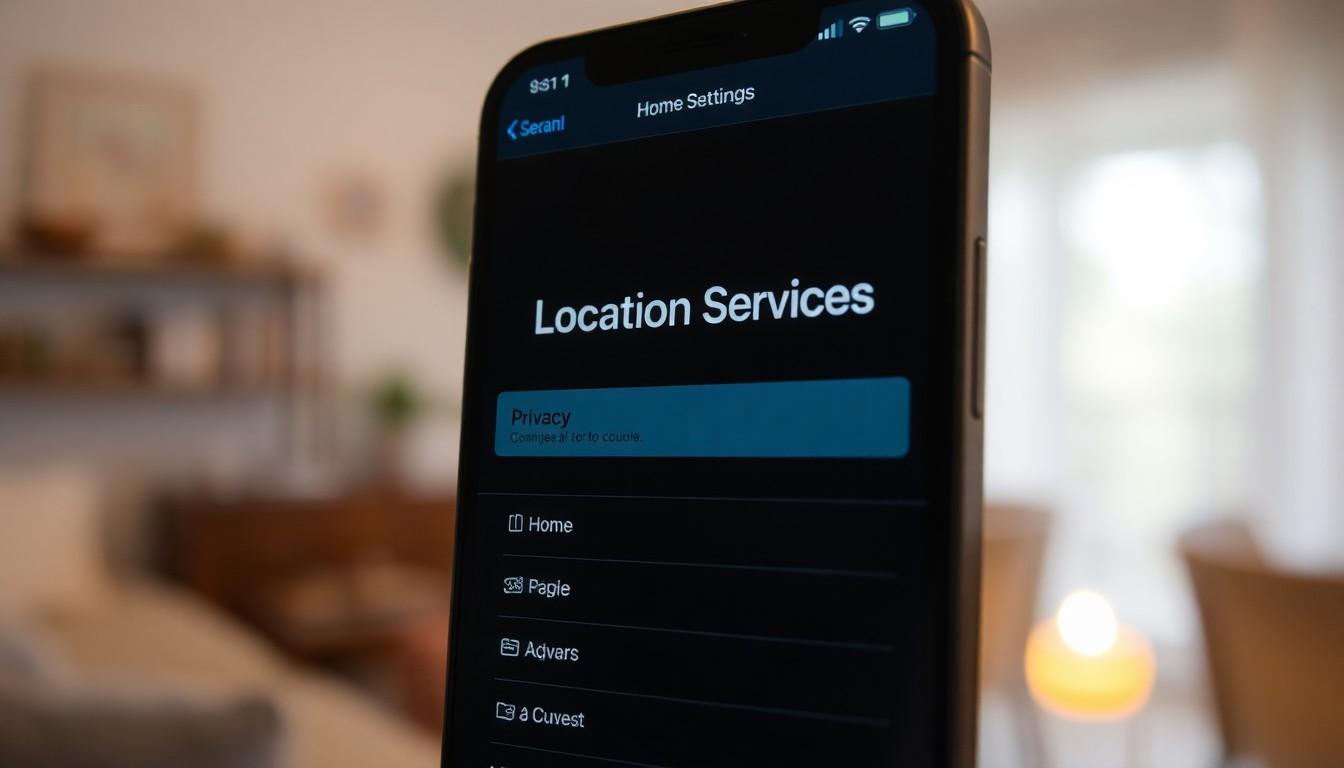
Accessing location services on an iPhone can reveal valuable insights into past movements. Users must enable location services to utilize these features effectively.
Enabling Location Services
To enable location services, navigate to the Settings app, then select Privacy. Locate Location Services and toggle it on. After activation, applications can access location information for various functions like navigation and location-based reminders. Users can also customize individual app settings, allowing some apps to access location data while restricting others. Turning on this setting unlocks the full potential of location tracking features.
Understanding Location Privacy Settings
Understanding location privacy settings is crucial for maintaining control over personal data. Within the Privacy section, users can see which apps request location access. Options include Never, While Using the App, or Always. Making informed choices about app permissions helps protect sensitive information. Furthermore, Apple encourages users to review these settings periodically. This proactive approach ensures privacy aligns with personal comfort levels regarding location sharing.
Checking Past Locations Through Settings
Accessing past locations on an iPhone is straightforward. Users utilize the Settings app to uncover this information.
Using Significant Locations
Significant Locations records notable places visited over time. To access this feature, navigate to Settings, select Privacy, then tap Location Services. Users should scroll to System Services and find Significant Locations. Once accessed, the list displays visited areas along with timestamps. Each location offers insights into travel patterns and frequently visited destinations, making this a valuable tool for tracking personal movement history.
Reviewing Location History
Reviewing location history involves checking the last places the iPhone logged. Users can do this through the Maps app, where tapping on the “Recents” tab reveals previously searched locations. An alternative route includes accessing Location Services within Settings, allowing users to see which apps accessed location data recently. Both methods enable users to reflect on their movements and adjust privacy settings as needed, ensuring personal data remains secure.
Utilizing Third-Party Apps
Third-party apps provide additional functionality for checking past locations on an iPhone. These applications often offer unique features that enhance tracking capabilities beyond built-in options.
Popular Location Tracking Apps
Several popular location tracking apps enable users to review their movements. Google Maps allows for location history when location services are enabled. Life360 creates a private network for family location sharing, helping users coordinate travel. Glympse shares real-time locations with friends and family for specific events or periods. Find My Friends assists in discovering nearby friends and tracking their movements. Each of these apps delivers distinct advantages to enhance the user experience.
Features to Look For
When selecting a location tracking app, consider certain key features. Look for real-time location sharing, which provides instant updates about friends and family. Offline access lets users check locations without an internet connection. Custom alerts notify users about significant movements or arrivals. Data privacy assurances protect personal information from unauthorized access. Moreover, user-friendly interfaces simplify navigation within the app. Emphasizing these features ensures users select the best app for their needs.
Conclusion
Checking past locations on an iPhone is a straightforward process that empowers users to understand their movement patterns. With built-in features like Significant Locations and the Maps app, users can easily access their location history while maintaining control over their privacy.
By customizing location settings and exploring third-party apps, individuals can enhance their tracking experience and ensure their data remains secure. This balance between convenience and privacy allows users to revisit cherished memories and share their whereabouts with trusted friends and family. Embracing these tools can lead to a more informed and mindful approach to location tracking.